Transition risk
Telescope provides a simple workflow for transition plans, enhancing asset value, sustainability, and reducing tenant costs.


Telescope provides a simple workflow for transition plans, enhancing asset value, sustainability, and reducing tenant costs.
With rising climate risks, the EU requires disclosures. Telescope helps you reduce risks and protect asset value.

Telescope helps you manage biodiversity, aligning your projects with ecosystem preservation.

Keep track of risk across entire portfolios with a birds-eye-view.

Sokndal municipality has declared a state of emergency as southern Rogaland has been hit by yet another round of intense rainfall, rapidly rising rivers, flooded basements closed roads and induced landslides close to homes and critical infrastructure.
Sokndal municipality has declared a state of emergency as southern Rogaland has been hit by yet another round of intense rainfall, rapidly rising rivers, flooded basements closed roads and induced landslides close to homes and critical infrastructure.
Unfortunately, this example is a one of many signs of a worrying trend which can threaten the financial system.
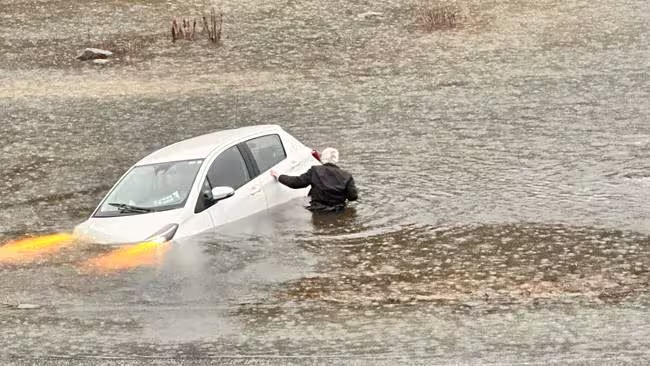
Large amounts of rainfall drove higher water levels and overflow in parts of Rogaland. Sokndal has been hit particularly heavy with reports of precipitation of 86.5 mm in just 24-hours and water levels rising 75-80cm indoor.
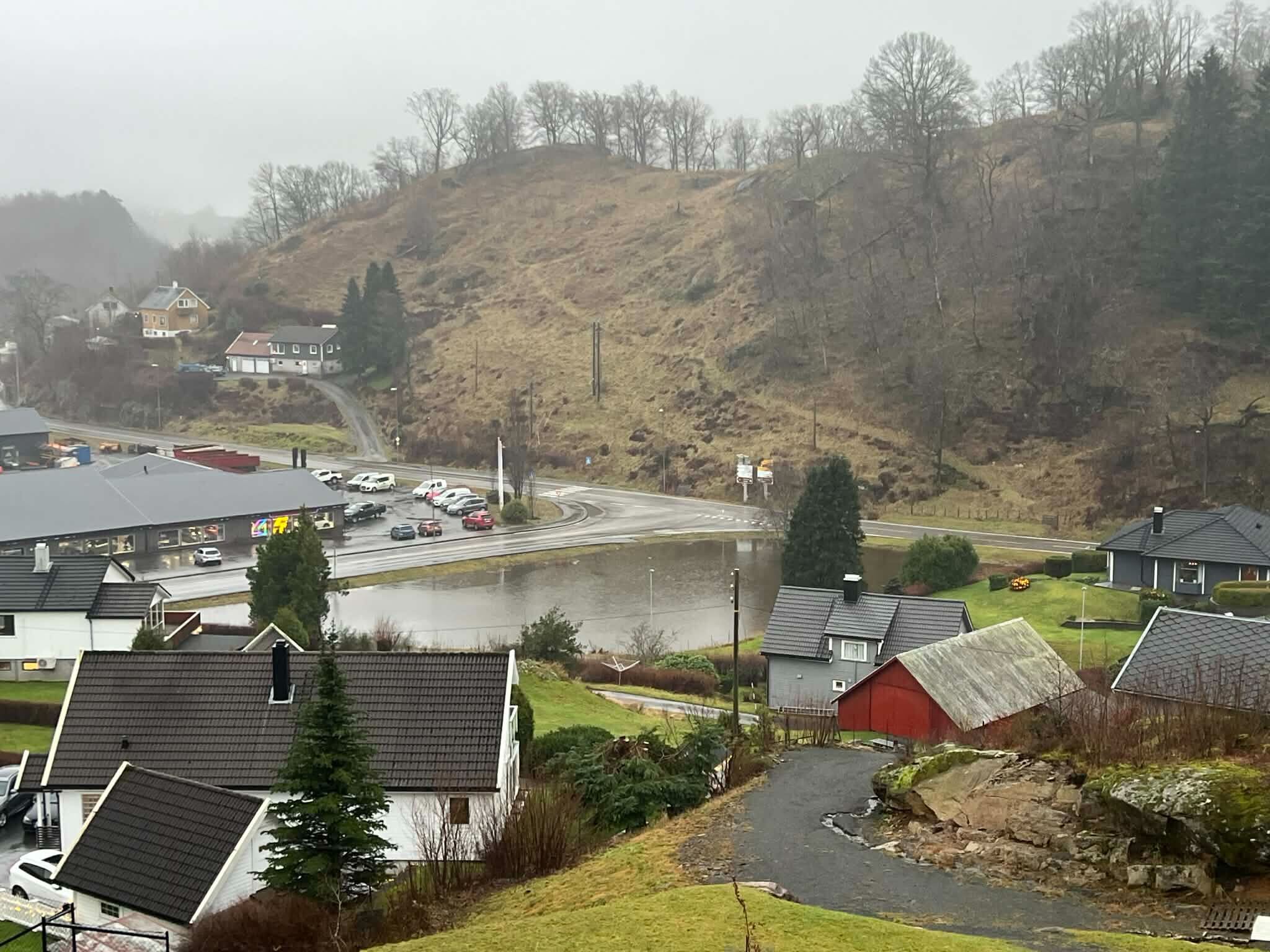
A proposed flood diversion tunnel costing around NOK 500 million could have reduced the local impacts of the flooding seen this weekend and two weeks ago,
but it also illustrates the scale of the challenge. NVE estimates that a single 200-year flood can still cause up to NOK 850 million in damages.
According to the Kjetil Lund, Director of NVE, preparing society for a wetter, wilder and constantly changing climate requires more than isolated adaptation measures; it demands a systemic approach where thorough hazard mapping is used to avoid building new exposure into high-risk areas, combined with robust early-warning systems that allow authorities to act several steps ahead of severe events in order to protect critical infrastructure, people and livestock.

Zooming out to a country level, NVEs FOSS report puts the adaptation need for the existing building stock at ~NOK 85 billion. With current grants at only ~NOK 0.5 billion per year,
Norway will not close this gap before 2100. From a macroeconomic perspective, this underinvestment is hard to defend: according to Trond Furnes,
every dollar invested in climate mitigation and adaptation delivers USD 6–7 in societal returns through avoided losses and increased resilience.
While basements, critical infrastructure and local communities are forced to handle the immediate consequences of flooding on an ad-hoc basis, Norwegian insurance companies are facing a parallel
surge in claims. Gjensidige, Tryg and If — the country’s largest insurers — have all signalled that they expect a significant volume of claims in the days and weeks following the events, reflecting the widespread nature of the damage.
The longer-term outlook for insurance is more troubling. Today, the socioeconomic costs of extreme weather and nature-related damage in Norway are estimated at around NOK 5.5 billion per year,
a figure expected to rise to NOK 19 billion annually by 2100. This trajectory is already prompting questions among insurance executives, banks and policymakers about how these costs will ultimately
be shared. Seen in a broader context, Norway is part of a wider international trend where a growing insurance gap is emerging — as losses increase faster than affordable insurance coverage.
Günther Thallinger, former CEO of Allianz, the world’s second-largest insurance company, argues that these developments not only threaten the insurance business model itself, but also entire asset classes and societies. As assets become uninsurable, claims and catastrophe-related costs can exceed the ability of individual states to absorb losses through public disaster funds
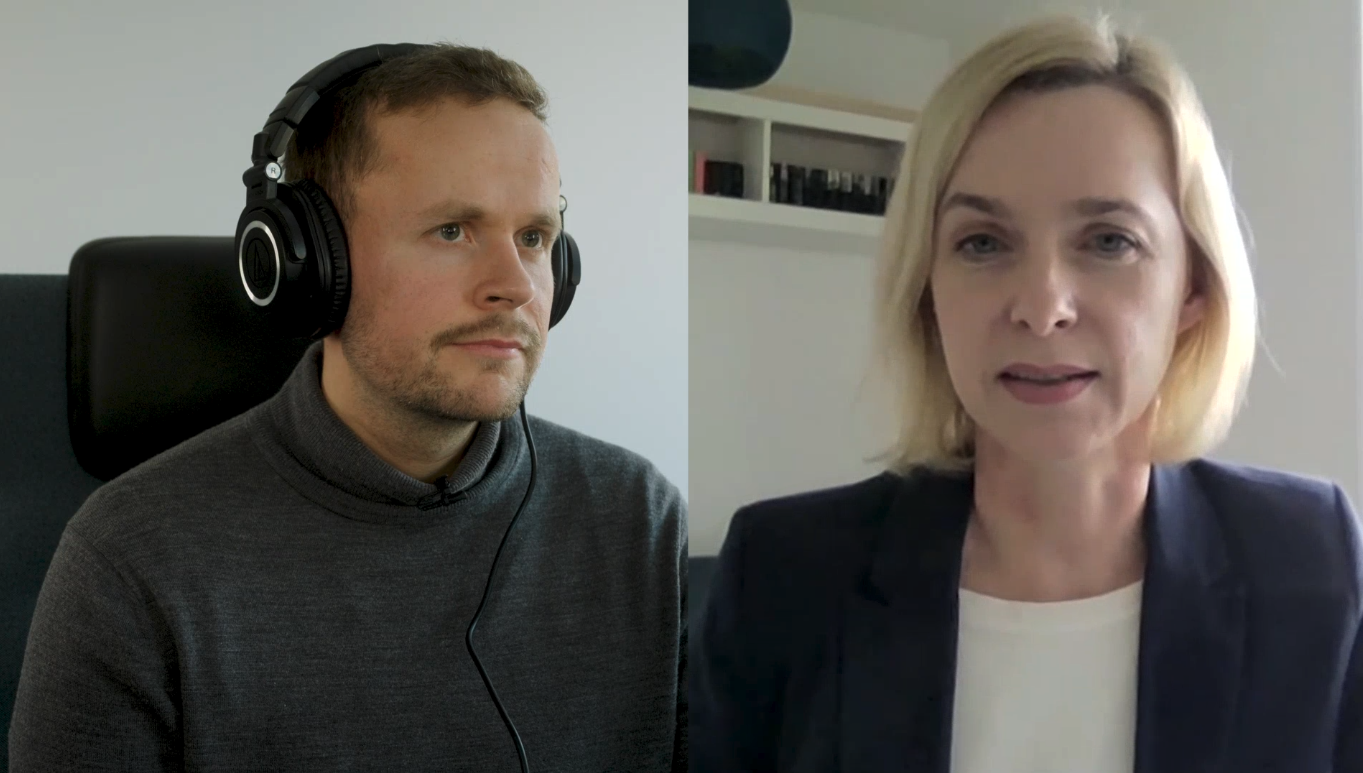
This is also an increasing concern among European regulatory authorities. As Dorota Wojnar, Head of the ESG Unit at the European Banking Authority (EBA), notes:
“It’s a growing concern that in some regions insurance premiums may reach levels that are unaffordable for users, or, in more extreme cases, that insurance may become entirely unavailable in
certain areas. This is receiving significant attention from policymakers.”
Regardless of whether costs are ultimately borne by insurers, banks or building owners, the pressure on the financial system increases. As Wojnar further explains:
“Insurance may act as a mitigating factor for banks by shifting risk off their balance sheets, but the risk does not disappear. It is simply moved from one pocket to another. From the perspective of the financial system as a whole, it must be addressed in a holistic way.”