Transition risk
Telescope provides a simple workflow for transition plans, enhancing asset value, sustainability, and reducing tenant costs.


Telescope provides a simple workflow for transition plans, enhancing asset value, sustainability, and reducing tenant costs.
With rising climate risks, the EU requires disclosures. Telescope helps you reduce risks and protect asset value.

Telescope helps you manage biodiversity, aligning your projects with ecosystem preservation.

Keep track of risk across entire portfolios with a birds-eye-view.

Sustainability in real estate is shifting from reporting to real operational decisions. The Omnibus update removes friction, and companies like OBOS and Reitan show what this new phase looks like in practice - where sustainability becomes part of the financial and design logic, not just documentation. Leaders are acting before certainty, working with imperfect data, and focusing on outcomes. Telescope supports this shift by making climate risk visible at the address level, turning insight into real decisions.
For years, sustainability in real estate has been measured by what could be reported.
Frameworks, disclosures, and acronyms - CSRD, ESRS, and now the Omnibus update - turned sustainability into a language of metrics and formats.
But 2025 marks a turning point.
With the Omnibus revision simplifying rules and clarifying expectations, the conversation is moving on - from what companies say to what they actually change.
In this new phase, the real question is no longer how to report sustainability.
It’s how to run it.
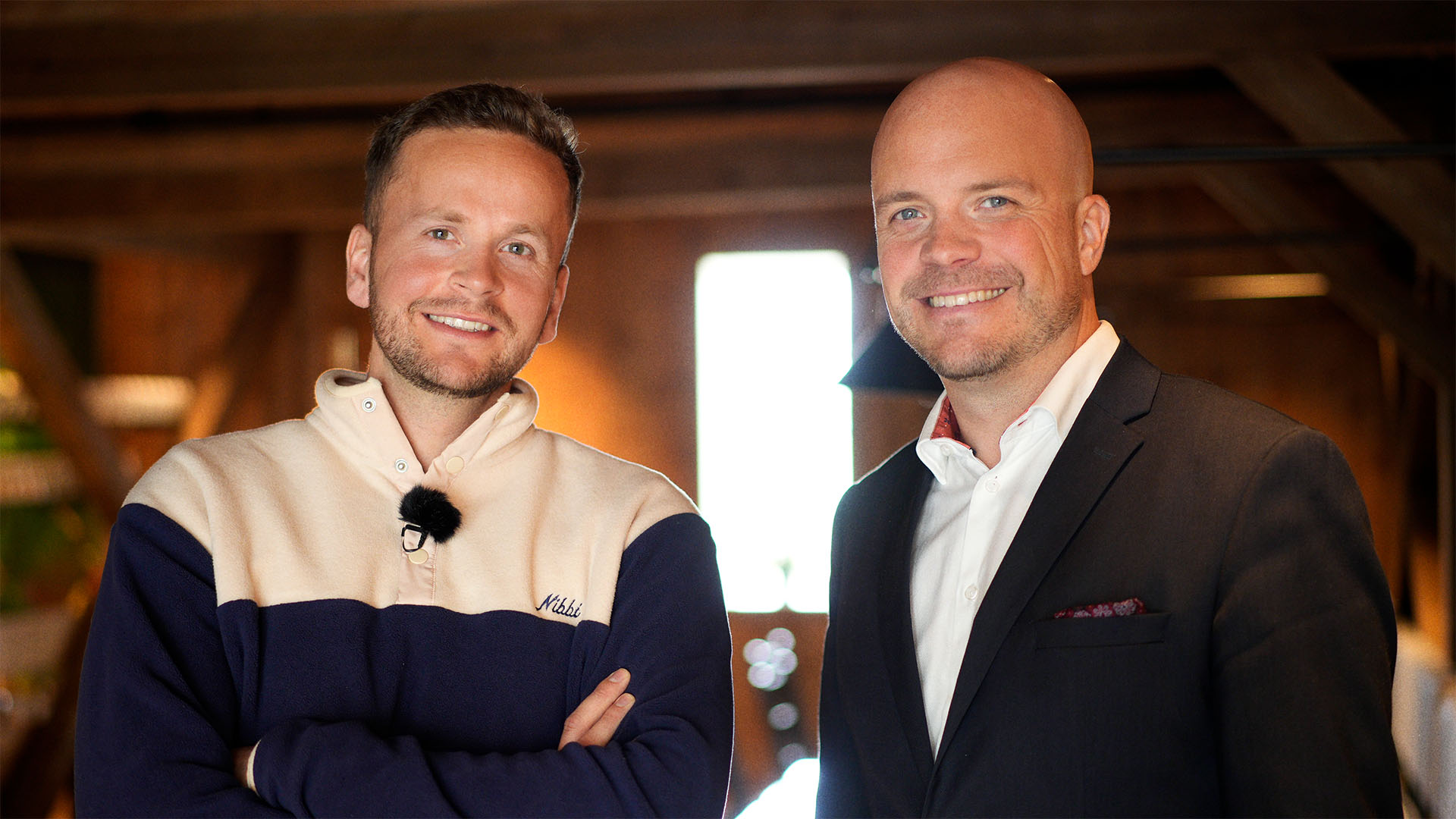
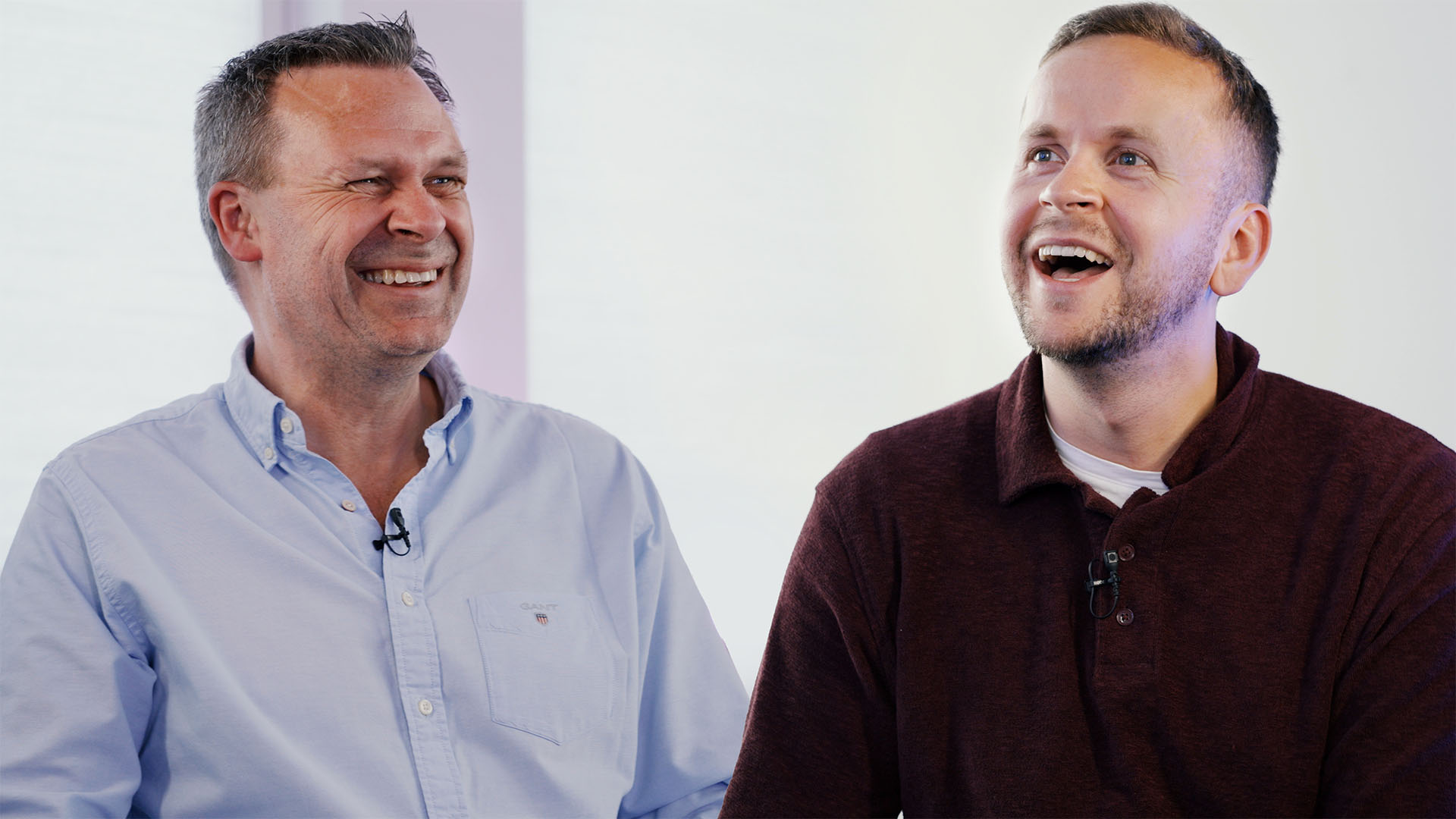
Two Norwegian companies illustrate this shift from different angles: OBOS and Reitan Eiendom.
Both large. Both influential. Both showing what sustainability looks like when it becomes operational.
At OBOS, sustainability isn’t a communications exercise - it’s an investment discipline.
CFO Trond Stabekk puts it plainly: reporting only matters if it drives behaviour.
Every green decision must earn its place in the business case.
That pragmatism means tough trade-offs.
A green loan might offer a ten-basis-point discount, but deeper environmental specs can add five to eight percent in cost.
The economics rarely balance out - unless sustainability and affordability move together. For a housing developer owned by its members, that’s non-negotiable.
OBOS treats affordability as a boundary condition: if greener standards push unit prices beyond reach, ambition has to meet reality.
It’s a reminder that sustainability isn’t just moral. It’s material.
Physical risk now shows up directly in the balance sheet - from flood exposure to biodiversity restrictions that can turn land banks into stranded assets.
Reitan Eiendom approaches the same challenge from another direction—through creativity and values.
Innovation and Sustainability Director Jostein Breines describes reporting as “the storytelling of the work.”
The real work, he insists, happens long before the report is written.
Reitan’s Urban Trigger Method—Map, Visualise, Innovate, Execute - is built to turn sustainability into design logic.
The rehabilitation, done by E C Dahls Eiendom, of Nordre Gate 12 in Trondheim shows how far that can go:
Each project aims to trigger others - to prove that environmental performance and architectural quality reinforce one another.
For Reitan, regulation isn’t the driver. It’s the validation.
For OBOS and Reitan, sustainability has become infrastructure - something decisions rest on, not documents.
But both point to the same conclusion: sustainability has become infrastructure.
Something you build decisions on - not just documents.
Leadership now means acting before certainty, making choices with imperfect data, and moving even when the framework isn’t finished.
As Stabekk puts it, you can’t analyse forever.
And as Breines adds, uncertainty should trigger innovation, not paralysis.
That mindset is quickly becoming the real differentiator in the market.
Across the market, we see the same thing: sustainability is moving into the parts of the business that actually decide value.
Finance. Risk. Asset strategy. Lending terms. At that level, reporting isn’t enough.
You need to know what the asset faces - flood risk, landslides, energy performance, biodiversity constraints.
And you need it at the address level.
That’s where Telescope sits: turning climate risk into something you can make decisions on.
Because the story lives in the report - but the consequences live in the numbers.