Transition risk
Telescope provides a simple workflow for transition plans, enhancing asset value, sustainability, and reducing tenant costs.


Telescope provides a simple workflow for transition plans, enhancing asset value, sustainability, and reducing tenant costs.
With rising climate risks, the EU requires disclosures. Telescope helps you reduce risks and protect asset value.

Telescope helps you manage biodiversity, aligning your projects with ecosystem preservation.

Keep track of risk across entire portfolios with a birds-eye-view.

Reitan Eiendom has built sustainability on a simple principle: do things properly. This article looks at how that philosophy shapes projects, data work, and decision-making - and why it creates better outcomes than reporting alone.
After a year dominated by reporting frameworks, acronyms, and data templates, the sustainability conversation is shifting.
With the EU’s Omnibus update clarifying and simplifying parts of CSRD and ESRS in early 2025, many companies are asking a deeper question:
How do we make sustainability real?
At Reitan Eiendom, the answer doesn’t start with regulation. It starts with values.
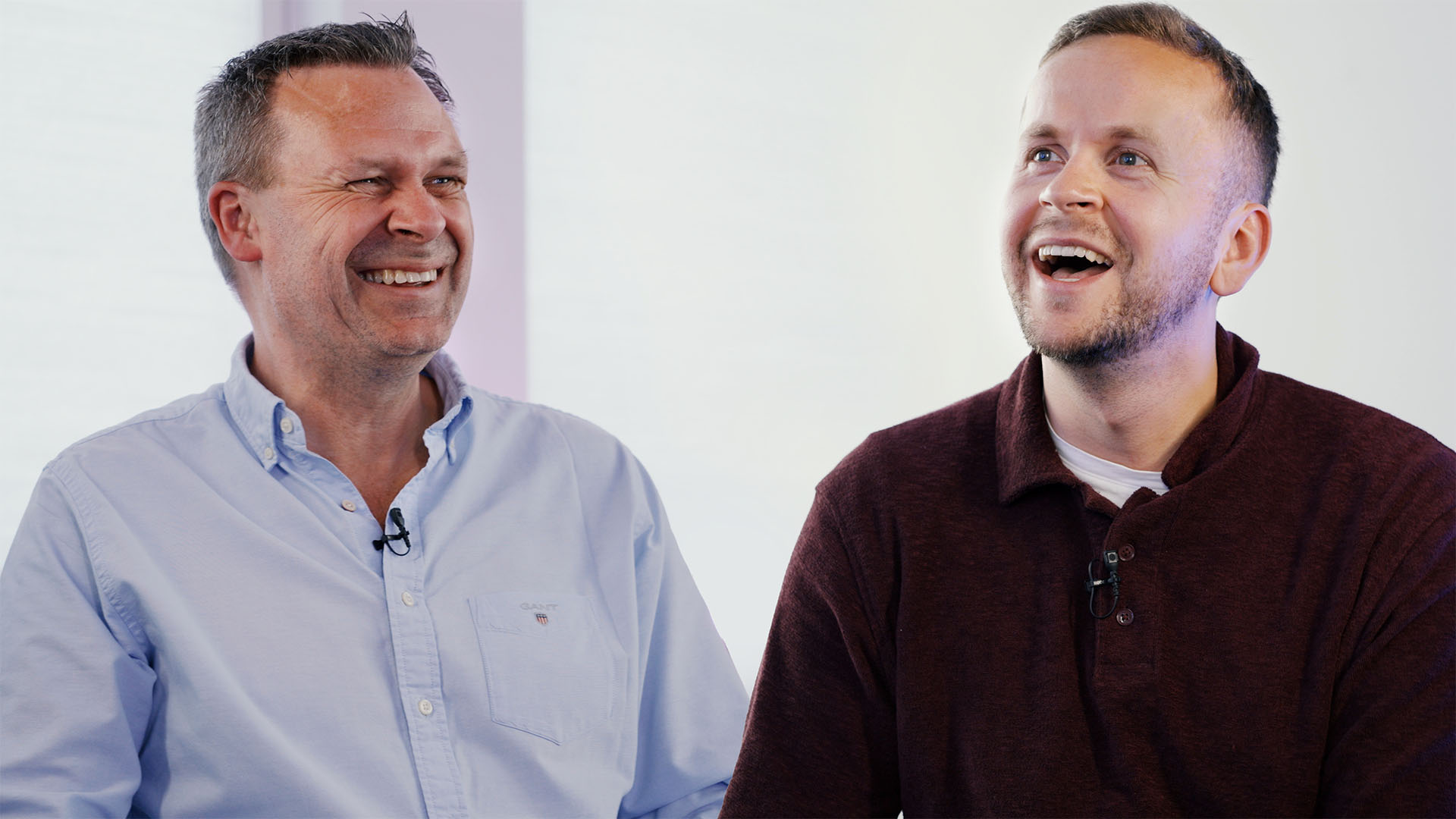
“Reporting is just the storytelling of the work,” says
Jostein Breines
It’s a statement that sums up Reitan’s entire philosophy - sustainability isn’t something they’ve added on top of their operations. It’s something they’ve refined through decades of doing things properly.
Reitan Eiendom is part of the broader REITAN group - known for its strong culture and clear, values-based leadership philosophy built on trust, accountability, and doing what’s right even when no one is watching.
On the courtyard of Lade Gaard in Trondheim, where Reitan Eiendom is based, a granite stone lists eight core values that guide every decision in the organisation. These aren’t slogans. They’re operational principles.
“We believe people make the best decisions when they’re guided by values - not rules,” Breines says. “That’s what gives you speed, consistency, and accountability.”
So when sustainability moved to the top of the industry agenda, Reitan Eiendom didn’t scramble to invent a new strategy. It built on the one it already had.
“Much of what we do today is about reinforcing what’s already good - and adding the structure we need to keep improving,” Breines explains.
To translate that mindset into practical work, Reitan Eiendom uses a framework called the Urban Trigger Method, developed together with NTNU’s Faculty of Architecture.
The concept is simple but powerful: every project should trigger sustainable development - both within the project and around it.
The method follows four steps: Map, Visualise, Innovate, Execute.
“It sounds simple, but it forces us to think differently,” says Breines. “If we understand what’s around us, if we can visualise it clearly, then we can innovate on top of that - not just copy what we did last time.”
Mapping reveals needs, conflicts, and opportunities - from waste heat and transport patterns to local biodiversity and energy flows. Visualising makes that information shareable and fast to interpret. Then comes innovation: the creative leap that turns data into design. Finally, execution - where the ideas meet budgets, timelines, and reality.
The flagship example comes from Reitan Eiendom’s daughter company, E C Dahls Eiendom, which transformed Nordre gate 12 into a project that achieved BREEAM Outstanding, Energy Class A, and FutureBuilt status.
It’s not just the certifications that stand out - it’s how they were achieved.
“If a project can trigger other sustainability projects around it, that’s when it gets really interesting,” Breines says.
The result isn’t just a building - it’s a model for how value-based decision-making produces measurable environmental and social gains.
Like most property owners, Reitan Eiendom now reports under CSRD and ESRS. But the company views these frameworks as validation, not direction.
“We didn’t start this because of reporting requirements. We started because it’s the responsible way to work - and because it gives better projects.”
That said, the reporting journey has created unexpected advantages. To prepare for new requirements, Reitan built a digital data platform that now helps the company understand performance and risk across its portfolio in real time.
“We realised we had to manage all this without hiring twenty new people,” Breines says. “So we applied our own method to ourselves - map, visualise, innovate, execute.”
The result is a company that’s not only compliant - but faster, smarter, and better connected.
“The biggest value isn’t the report itself. It’s the clarity we get from doing the work,” Breines adds.
Sustainability is a moving target - policies shift, data evolves, and standards keep changing.
But Reitan’s philosophy of doing things properly is remarkably stable.
“Uncertainty should trigger innovation, not paralysis,” Breines says.
That mindset - combining long-term vision with practical decision-making - has allowed Reitan Eiendom to treat sustainability not as a checklist, but as a form of governance.
The company’s approach to ESG is built on the same foundation as its approach to business: clarity, responsibility, and local impact.
Reitan Eiendom’s journey shows that sustainability isn’t just about measuring - it’s about understanding.
When values drive the process, data becomes a tool for creativity, not compliance.
At Telescope, we share that view.
Our work helps companies see beyond the reporting process - identifying flooding, landslide, and biodiversity risks at the asset level, and translating them into actionable insight.
Because sustainability, at its best, isn’t paperwork. It’s knowing enough to make better choices - and doing things properly, every time.